
Article written by Nick Roud, CEO Coach, Founder Nick Roud Coaching. June 2026, Auckland, New Zealand.
When you’re leading in spaces like coaching sessions or workshops, residential, university classrooms, it’s easy to assume those conversations are private, reflective, and held in trust. Increasingly, though, that’s not always the case. Conversations may be recorded sometimes openly, sometimes less clearly and that changes the landscape in ways leaders need to understand. Only last week I joined a group of coaches only to hear from the host oh, make sure we are recoding this!) Straight away I could see the room retracting, including myseld. Why?
As soon as those words were spoken I went into my shell……….that’s me done I thought shall I head of the call now or just observe!. I chose to step forwards and observe. My work on over the past couple of years is to analyse less and observe more so a great opportunity to put that to the test. If invited to speak, I will share a view and it will be done so under very tight boundaries (my boundaries).
Many CEOs and senior executives I am coaching share with me that many of their meetings are being recorded and it makes them feel even more isolated. Here at Nick Roud Coaching we are not following the crowd, we are doubling down on trust, being present and not brining technology (AI or other tools) into our coaching room. Why? We want to ensure the CEO and or leader knows that what they share with me here stays between us. We do not record our conversations nor use AI. someone asked me over the weekend why and I said, it’s not how I choose to operate.
So let’s investigate this in more detail.
First, awareness matters. As a leader, you have a right to know when you are being recorded. That includes how the recording will be used, who will have access to it, and how long it will be stored. If that’s not made explicit, it’s reasonable and important to ask. Transparency isn’t a “nice to have” here; it’s foundational to trust.
Second, consider the impact on how you show up. Being recorded can subtly shift behavior as mentioned from my own experience last week. You may find yourself more cautious, less open, or more “polished” than you would be otherwise. That’s human. But it also means the quality of reflection, honesty, and growth in the session can be affected. Leaders should pause and ask: can I be fully present and authentic in this environment? If not, it’s worth addressing or taking a quiet back seat!
Third, think about psychological safety not just for you, but for everyone involved. Coaching and development spaces rely on a sense of safety to work well. Recording can either support that (when used transparently and respectfully) or undermine it (when it feels unclear or imposed). As a leader, you can model good practice by naming this dynamic and inviting open conversation about it.
Fourth, be mindful of boundaries. Not every conversation is appropriate to be recorded, especially where sensitive topics, personal reflections, or team dynamics are involved. Leaders should feel empowered to set limits whether that’s declining to be recorded, asking for parts to be excluded, or agreeing only under certain conditions.
Finally, remember that consent is not a one-time checkbox. It’s ongoing. Even if you initially agreed to a recording, you can revisit that decision if circumstances change or if something no longer feels right.
At Nick Roud Coaching, we hold a clear position on this. The work we do with elite leaders depends on trust real trust, not assumed trust. That means confidentiality is not negotiable; it is a core condition of the space we create. We do not record coaching conversations, and we are deliberate about ensuring that what is shared stays within the agreed boundaries. For anyone looking for my notes you will find a specific journal book full of drawings, numbers, images etc.
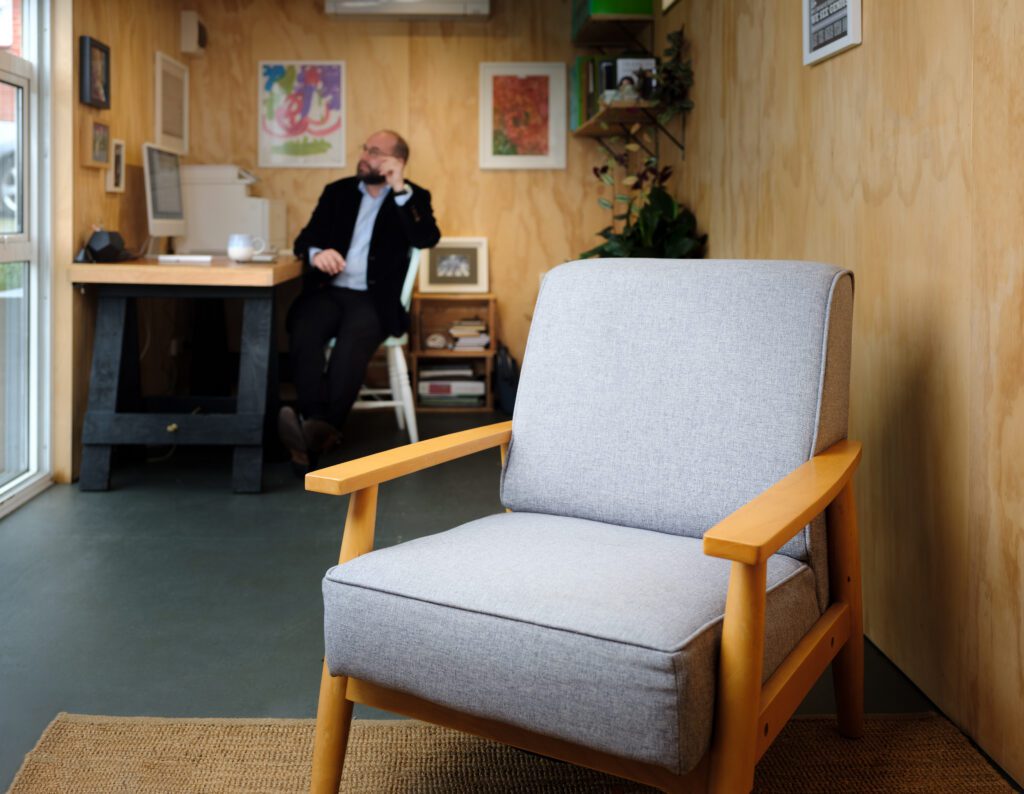
Why does this matter? Because meaningful growth requires honesty, and honesty requires safety. When leaders know they are not being recorded, they are far more able to think out loud, challenge themselves, and explore the conversations that actually matter without filtering or second-guessing how their words might be replayed or interpreted later.
We also believe confidentiality is a sign of respect. It signals that the leader’s thinking, experiences, and challenges are not content to be captured, stored, or repurposed they are part of a live, human process that deserves care and discretion.
In a time where recording is becoming more normalised, we are intentional about protecting a different kind of space. One where leaders can speak freely, reflect deeply, and do the work without feeling observed or archived.
Because ultimately, the quality of the conversation shapes the quality of the leadership that follows.